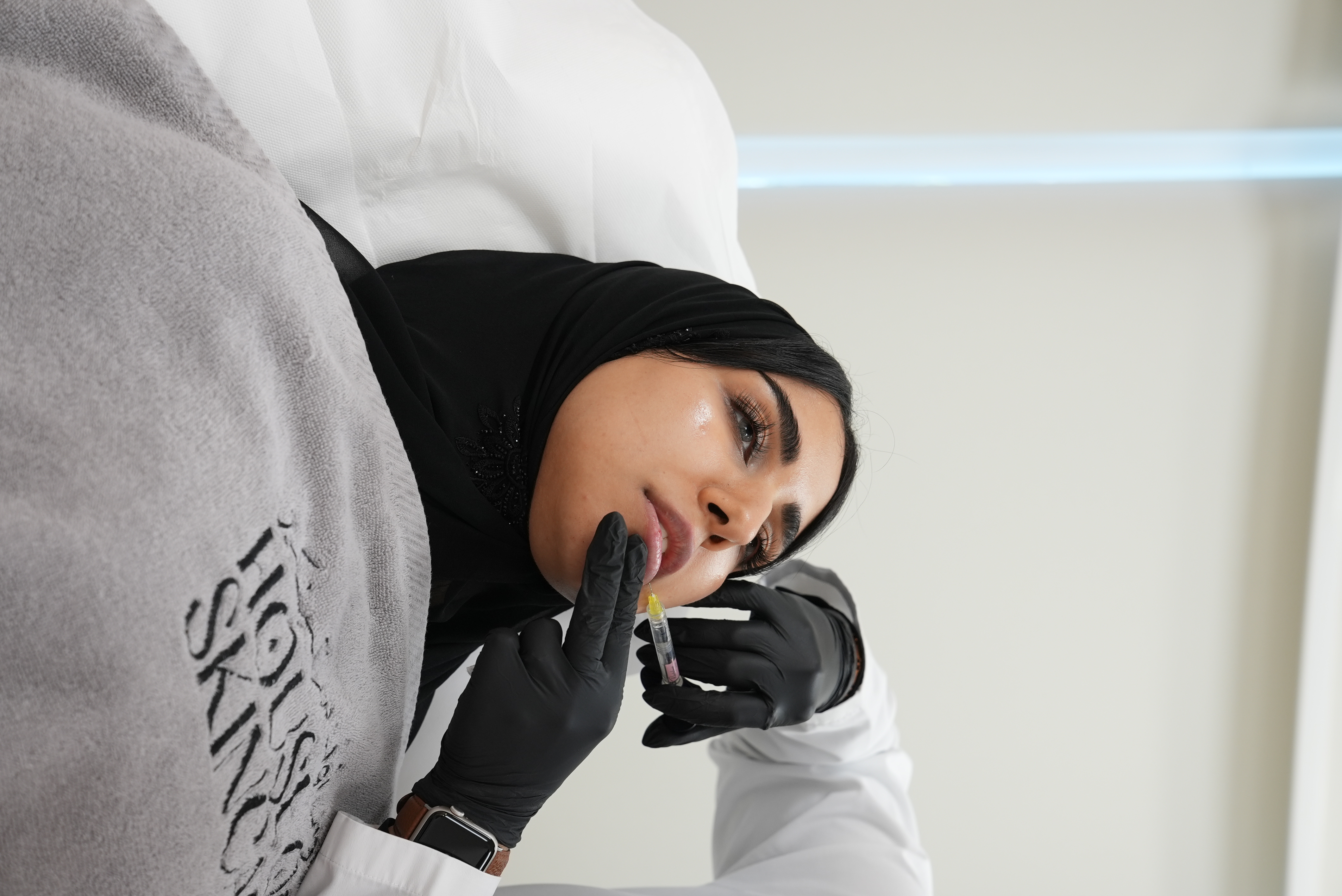
Aesthetic medicine has become significantly more accessible and socially accepted over the past decade. Procedures that were once discussed only quietly are now common topics of conversation - and that is a broadly positive development. Greater openness leads to better-informed patients and, in the best cases, more realistic expectations and better outcomes.
But accessibility can also mean that patients come in with incomplete information - or with expectations shaped by social media rather than clinical reality. Here is what I think every patient should understand before their first aesthetic consultation.
The Consultation Comes Before the Treatment
This seems obvious, but it is worth saying clearly: a good aesthetic consultation is not a formality before booking the procedure. It is the procedure's most important step.
During a consultation, the clinician should assess your facial anatomy, skin condition, and concerns - and then discuss what is clinically appropriate, what results are realistic, and what the treatment involves. They should explain alternatives. They should answer your questions without rushing. And they should not recommend a treatment simply because you have asked for it, if that treatment is not the right clinical choice for your situation.
If a consultation feels like a checkout rather than a clinical conversation - where a treatment is agreed on quickly with minimal discussion - that is a signal worth paying attention to.
Natural Results Are the Standard, Not the Exception
Many patients come in worried about looking "overdone." This is a valid concern, and it is not unfounded - overly treated faces are visible enough in public life that the concern is understandable.
What distinguishes good aesthetic practice from less careful practice is not just technical skill. It is the clinical judgment to know when to do less, when to stop, and when to decline a patient's request because the outcome would not serve them well.
Natural, well-rested, subtly refreshed results are not a compromise. They are the goal. When Botox is administered well, people notice that someone looks younger or more relaxed - not that they had Botox. The same is true for fillers and most other procedures. If the treatment is visible as a treatment, something has gone wrong.
Understand What You Are Asking For
Patients frequently arrive having seen a result on someone else - a celebrity, a social media influencer, a friend - and want something similar. This is completely reasonable as a starting point. But it is important to understand that results are facial-anatomy-specific.
The same amount of filler, placed identically on two different patients, will produce different outcomes because their baseline facial structure is different. What looks good on someone else may not be appropriate for your face - and a good clinician will explain this, even if it is not what you want to hear in the moment.
Downtime Is Real
Many aesthetic treatments advertise minimal downtime. That is often technically true - you are not required to take days off from work the way you might after surgery. But "minimal downtime" does not mean "no visible change immediately after."
Botox causes no immediate visible bruising in most cases, but results take 7 to 14 days to fully develop. Fillers can cause swelling and mild bruising for several days. RF microneedling typically causes redness and mild swelling for 24 to 72 hours. Chemical peels vary significantly based on depth - a light peel may cause minimal peeling for two to three days; a medium peel may involve more significant flaking and redness for up to a week.
Plan treatment timing around events with appropriate buffer. A safe general principle: no major social or professional event within two weeks of an injectable treatment; longer for resurfacing or peels.
Results Require Maintenance
Aesthetic treatments are not permanent. Botox typically lasts three to six months. Fillers vary from six months to over a year depending on the product and area treated. RF microneedling and chemical peel results are cumulative - they benefit from an ongoing series and periodic maintenance sessions.
Understanding this before you begin helps you plan realistically and avoids the surprise of results fading before you had anticipated. It also means that the total cost of maintaining results is higher than the cost of the initial treatment - which is worth factoring in when choosing between options.
Who Is Doing the Treatment Matters
Not all aesthetic practitioners have the same level of training or clinical background. Dermatologists and plastic surgeons have deep knowledge of facial anatomy and skin physiology by virtue of their core medical training. Other practitioners may be highly skilled through specific aesthetic training programs.
What matters is verifiable training, a genuine understanding of facial anatomy, a conservative and honest approach to treatment, and a track record of results you can actually assess. Instagram before-and-afters are one data point - but they are curated. Ask about their clinical training and experience with your specific concern.
Questions Worth Asking at Your Consultation
- What do you think is the most appropriate treatment for my concern, and why?
- Are there any alternatives I should consider?
- What results can I realistically expect, and in what timeframe?
- What are the risks and potential side effects of this treatment?
- What should I do before and after the procedure?
- How much downtime should I plan for?
- How often will I need to maintain results?
A clinician who welcomes these questions and answers them clearly is a good sign. A clinician who seems impatient with them, or who deflects toward booking quickly, is not.